
 Translate
 Arabic
 Chinese (Simplified)
 Dutch
Dutch English
 French
 German
 Italian
 Portuguese
 Russian
 Spanish
Merck, Moderna: Cancer vaccine shows promise in melanoma
Kimberly Redmond, NJBIZ | August 20, 2026
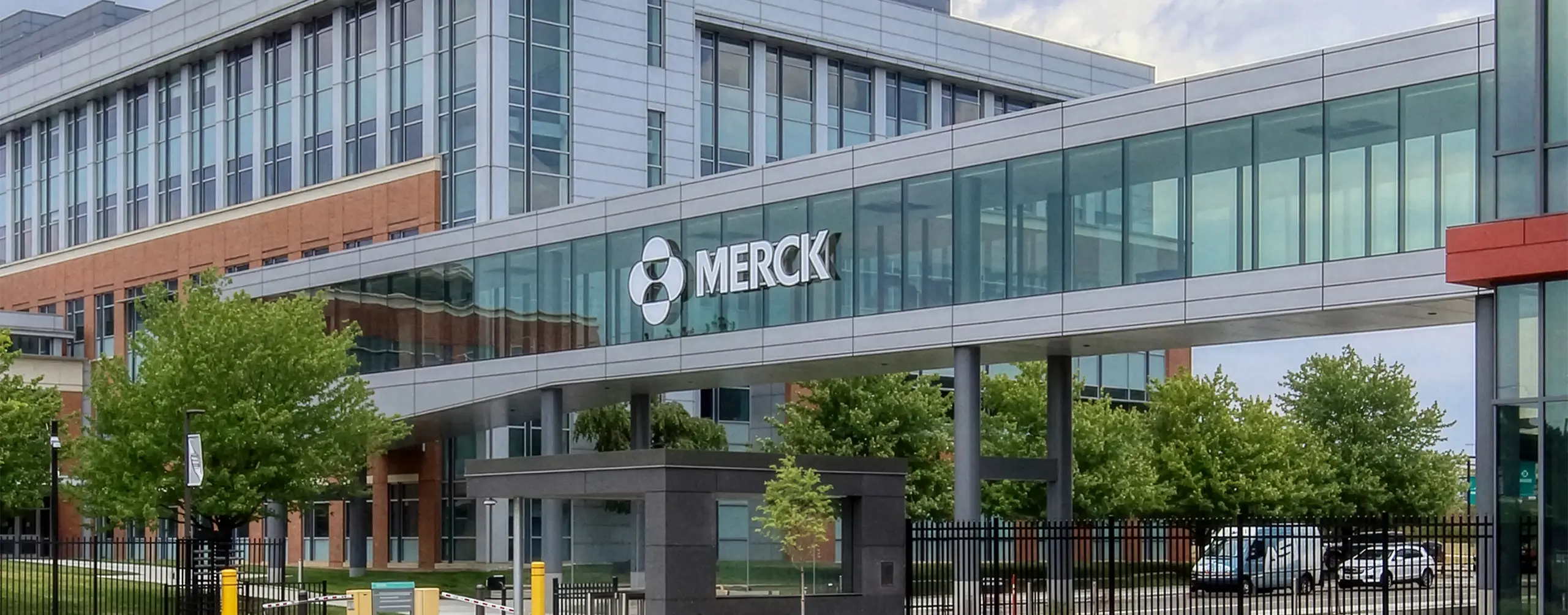
An experimental vaccine jointly developed by Merck and Moderna has shown signs of preventing cancer from returning or spreading in a study of high-risk melanoma patients, according to the pharmaceutical giants.
The newly announced results mark the biggest milestone yet in a decades-long partnership between Rahway-based Merck and Cambridge-headquartered Moderna focused on personalized mRNA cancer vaccines.
As part of a strategic collaboration launched in June 2016, the partners have studied a personalized treatment approach that involves using vaccines in conjunction with Merck’s cancer drug Keytruda. The findings related to melanoma are the first positive late-stage trial result for the partnership.
Known as intismeran, the vaccine was tested in combination with Keytruda in more than 1,100 patients with melanoma whose tumors had been surgically removed, according to the companies. Because the vaccine is designed specifically for each patient, researchers analyze an individual’s tumor and use that information to create a treatment to help the immune system recognize and attack cancer cells.
What researchers discovered
Besides melanoma, Merck and Moderna are also studying intismeran in other types of cancer, including lung, bladder and kidney.
Merck and Moderna have not yet published the results in a peer-reviewed journal or released new data. However, they said the vaccine-drug combo met the study’s main goal of significantly extending the time patients lived without the deadly form of skin cancer returning. Though, the companies did not say for how long.
The treatment also reduced the risk of cancer spreading to other parts of the body, the companies said. Additionally, they said they detected no new safety concerns during the three-year trial.
The results build on positive Phase 2 trial data on the same regimen earlier this year. Prior studies noted side effects such as fatigue, fever and injection-site reactions.
According to Merck and Moderna, they will present findings from the Phase 3 trial at an upcoming medical meeting and share with regulatory authorities. It’s unclear when they plan to seek regulatory approval from the U.S. Food and Drug Administration.
Melanoma statistics
Melanoma accounts for only 1% of skin cancers. However, it causes the large majority of skin-cancer deaths because it is more likely than other common skin cancers to spread, according to the American Cancer Society.
Of the estimated 112,000 Americans who will be diagnosed with invasive melanoma this year, about 8,500 of those people are expected to die from the disease, the organization says.
Most recurrences of melanoma develop in the first two to three years after initial treatment and removal. However, the cancer can return 10 or more years later, the ACS noted.
'A more personalized approach'
Merck Research Laboratories President Dean Li said, “By intervening earlier in the course of disease, when many cancers are considered most treatable, the goal of adjuvant therapy given after surgery is to increase the possibility of cure for more patients.”
He went on to say the first Phase 3 findings “reinforce the promise of a more personalized approach to cancer treatment.”
“We believe individualized neoantigen therapies have the potential to redefine how patients with completely resected stage IIB-IV melanoma are treated,” Li said.
Moderna CEO Stéphane Bancel described the trial results as “a pivotal moment for the field of cancer research.”
“For many years, the idea of creating an mRNA treatment designed specifically for an individual patient’s cancer was aspirational. We are now helping turn that vision into a reality,” Bancel said. “Together with Merck, we have started to demonstrate the transformative potential of this technology to address critical unmet needs in the adjuvant melanoma setting. We are deeply grateful to the patients, investigators and study teams whose contributions make this progress possible.”